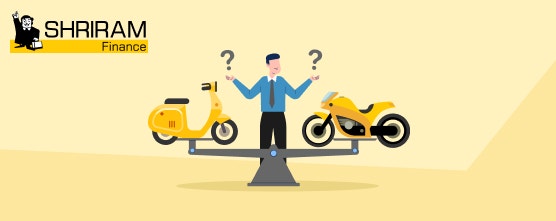
Deciding between a scooter and a bike can be tough, especially when fuel efficiency is a top priority. Both offer unique advantages, but understanding the factors that influence mileage can help you make an informed choice.
Engine size, weight, aerodynamics, and even your riding style play a significant role in determining fuel consumption.
In this blog post, we'll explore these key differences and provide insights to help you choose the two-wheeler that best suits your needs and budget. Let's get started!
Scooter Vs Bikes: Basic Mileage Difference
First, let's address the most important thing in this bike vs scooter comparison*,* which is the mileage.
The mileage of your scooter will depend on the model, engine, features, and riding style. However, scooter mileage estimates typically range from 40 to 60 km/l.
Bikes typically fall within a normal mileage range of 20 to 70 KMPL. The higher the power output of the bike’s engine (eg, 350cc and above), the lesser the mileage. However, if you want mileage performance you can go for less powerful engine bikes.
Scooter Vs Bikes: Factors Affecting Their Mileage Performance
When it comes to scooter vs bike, both provide functional means of transportation. However, several factors affect their mileage performance. Understanding these factors will give you a clear idea of how they differ in terms of mileage efficiency:
1. Engine size
As mentioned earlier, larger displacement engines tend to consume more fuel, reducing their mileage. Typically found in scooters, smaller engines have a reputation for being more fuel-efficient. You can also find smaller-engine bikes that can be as fuel-efficient. However, the more substantial and powerful bikes may fail to provide similar fuel efficiency.
2. Weight
The heavier the two-wheeler, the more fuel it will consume for movement. Thus, the heavier the vehicle, the less fuel-efficient it is. When it comes to scooters vs. bikes, the lighter two-wheelers with lower-capacity engines typically offer better fuel efficiency.
3. Aerodynamics
The design of the two-wheeler also plays a key role in its mileage. When it comes to scooter vs. motorcycle, some scooter models have better aerodynamics, which results in minimal drag and better fuel efficiency. This also applies to bikes, such as daily commuter bikes, which have sleek body designs. So, to get the best mileage performance, choose between scooters and bikes with aerodynamic designs.
4. Riding Style
The way you ride the two-wheeler can determine its mileage performance. Sudden acceleration and excessive braking may affect the mileage, whether it is a scooter or bike. Proper tyre care and avoiding riding in traffic-congested areas can improve your mileage.
Scooter Vs Bikes: Other Key Differences
Now that you know the mileage difference between scooters vs. bikes, let’s check some other features where both differ from one another:
Scooter Vs Bikes: Which One To Choose?
When choosing between a scooter and a bike, consider factors like engine size, weight, aerodynamics, and riding style. Scooters often offer better fuel efficiency due to their smaller engines and aerodynamic designs. However, bikes can also be fuel-efficient, especially in lower-displacement models. Ultimately, the best choice depends on your specific needs and preferences. By carefully considering these factors, you can make an informed decision that suits your lifestyle and budget.
FAQs
1. Why do the majority of people prefer scooters?
Since scooters don't involve the hassle of gear shifting, are fuel efficient, and are easy to control, most people feel they are the perfect solution for urban travel.
2. How does engine size affect mileage?
Smaller engines in scooters usually result in lower mileage compared to the larger, more refined engines found in bikes.
3. How does riding style impact mileage for bikes and scooters?
Riding style significantly affects mileage. Aggressive acceleration and high speeds can reduce fuel efficiency for both bikes and scooters.
4. What is the difference between a scooter and a bike?
Scooters are known for their automatic transmission, easy-to-control functionality, and smaller engines. Bikes are known for their larger engines, manual transmission, and performance.
5. Why is bike mileage higher than scooter mileage?
Most bikes have 5-6 speed manual transmission compared to automatic CVT in scooters. The manual transmission allows riding in optimal gear for efficient engine rpm.